Scientific departments
 01
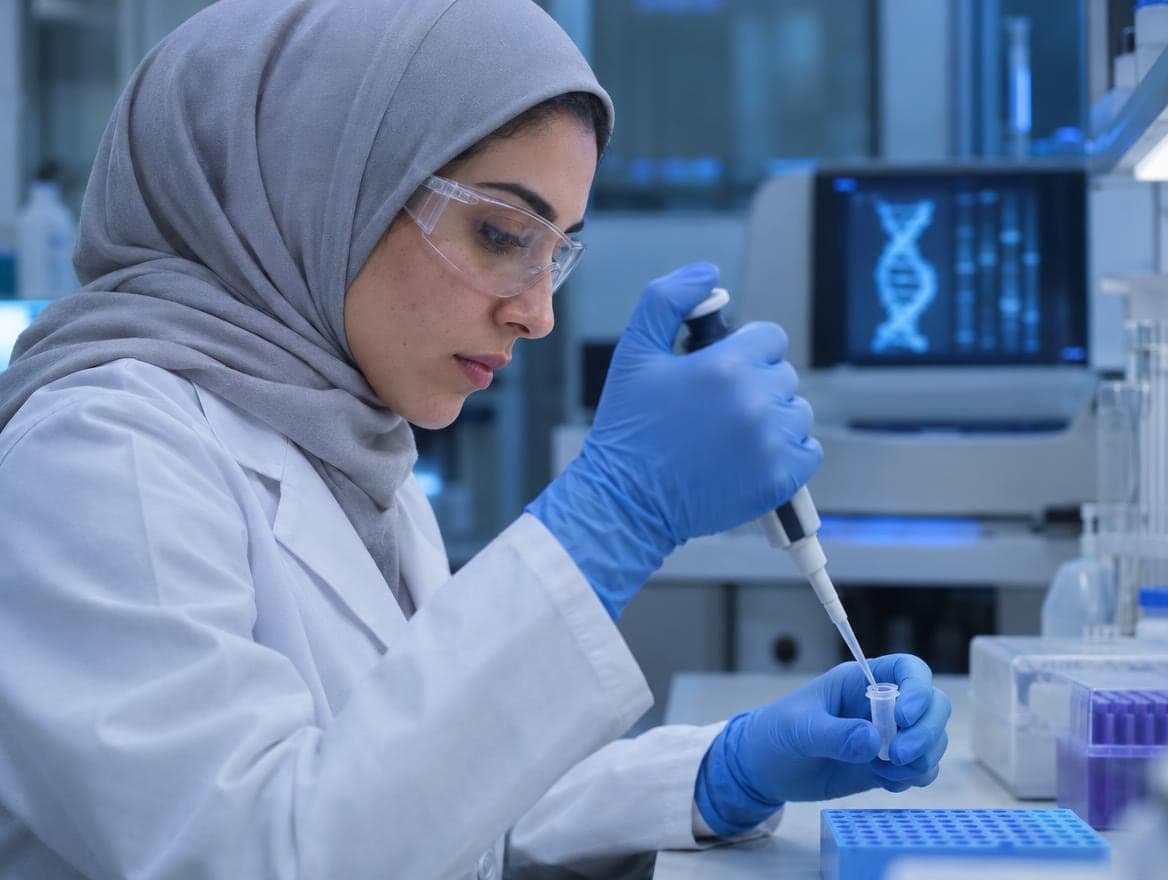
DNA laboratory
Identification and genetic sample matching
The laboratory analyses DNA samples collected at incident scenes and from relatives, and matches genetic profiles to establish identity and link evidence.
Main tasks
- DNA extraction from biological samples
- Genetic profile matching and identification
- Parentage testing at a court's request
 02
Forensic toxicology
Detecting poisons and narcotics
The department detects poisons, medicines and narcotics in biological samples and measures their concentrations, to establish their role in deaths and poisonings.
Main tasks
- Screening biological samples for poisons and medicines
- Detecting narcotics and psychoactive substances
- Analytical reports for investigators
 03
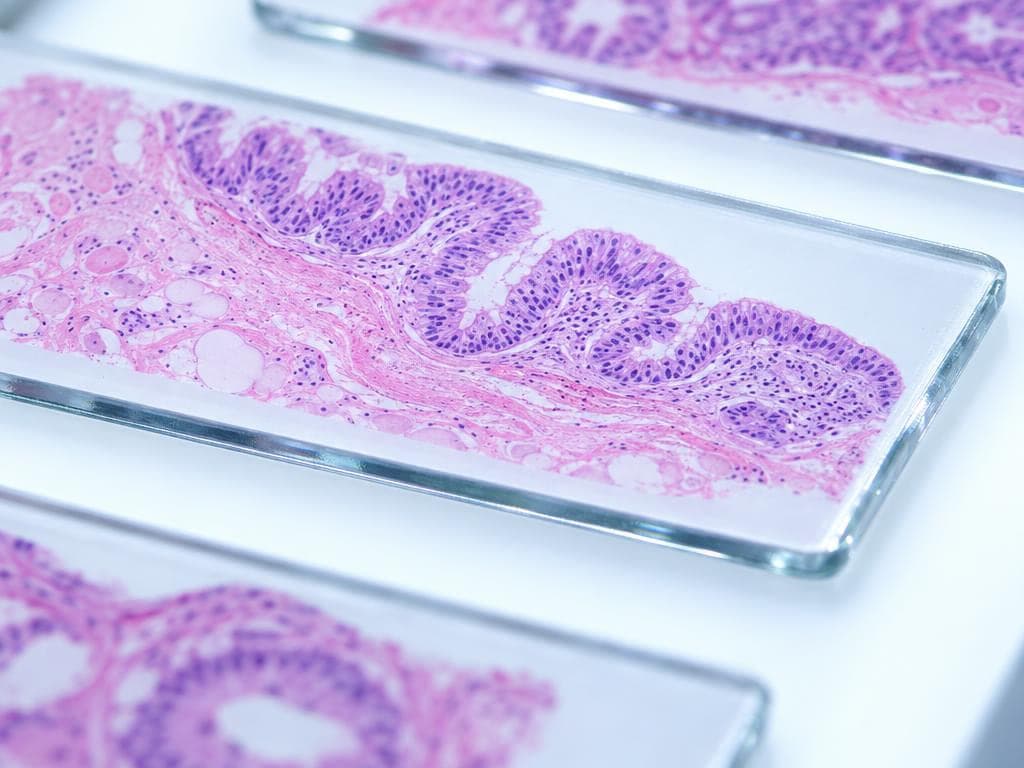
Histopathology
Microscopic examination of tissue samples
The department prepares tissue sections and examines them under the microscope to support autopsy findings and describe the nature and age of injuries.
Main tasks
- Preparing and staining tissue sections
- Microscopy in support of autopsy diagnosis
- Dating injuries and pathological changes
 04
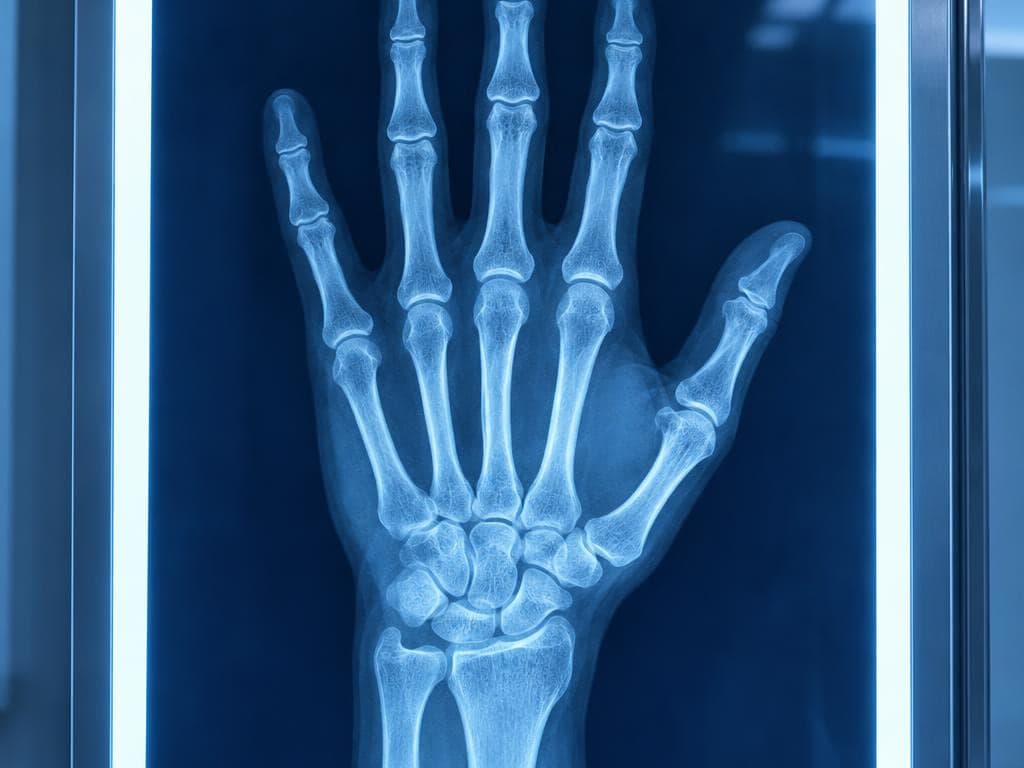
Clinical forensic medicine
Examining the living, injuries and age
At the request of courts and investigators, the department examines living people, describes and grades their injuries, and estimates age by clinical and radiological examination.
Main tasks
- Injury examination, description and disability assessment
- Clinical and radiological age estimation
- Forensic medical boards
 05
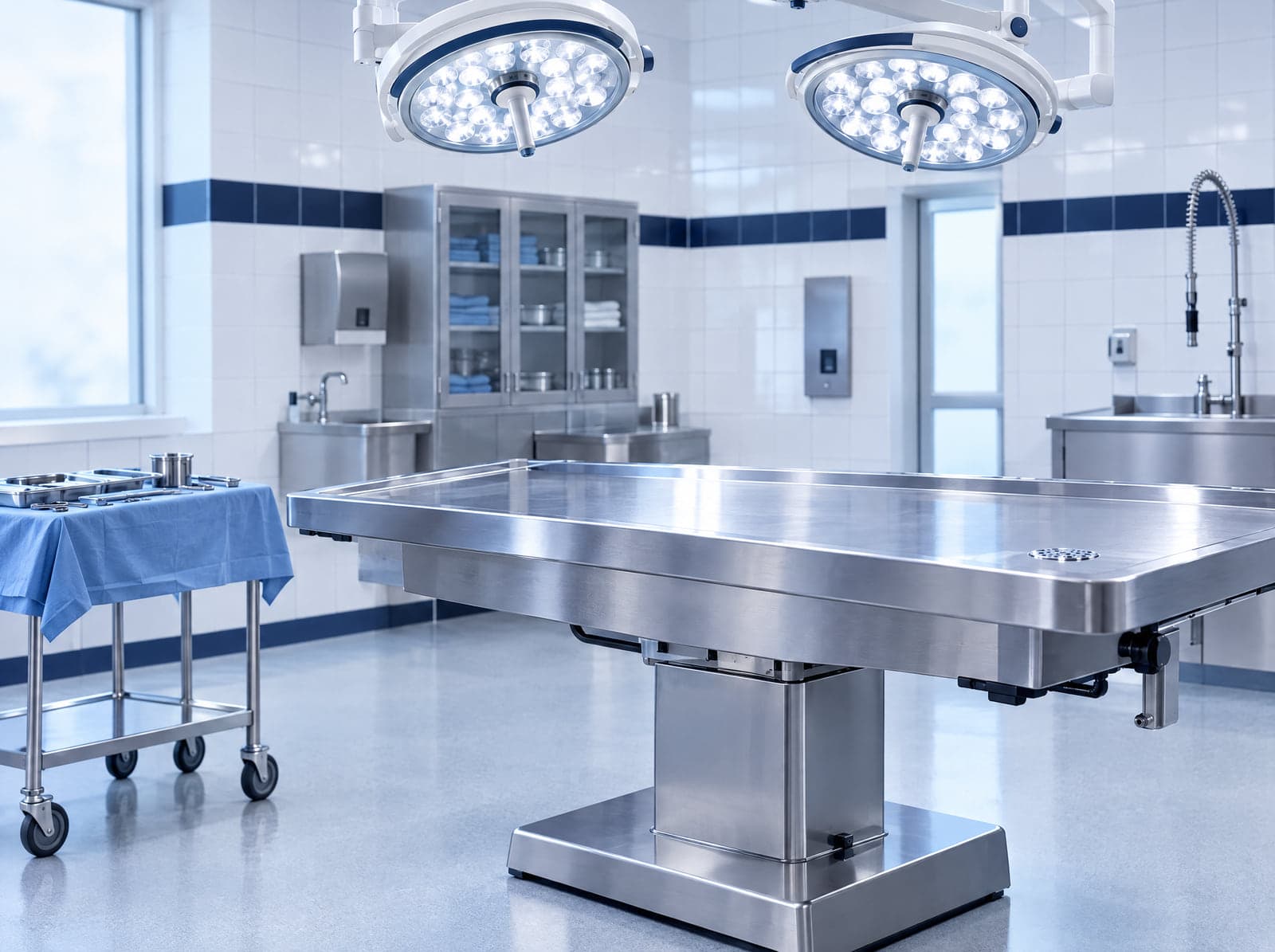
Forensic autopsy
Establishing the cause and circumstances of death
In cases referred by the competent authorities, the department performs external examinations and autopsies to establish the cause, mechanism and approximate time of death.
Main tasks
- External examination and autopsy
- Cause and mechanism of death
- Sampling and referral to the laboratories
 06
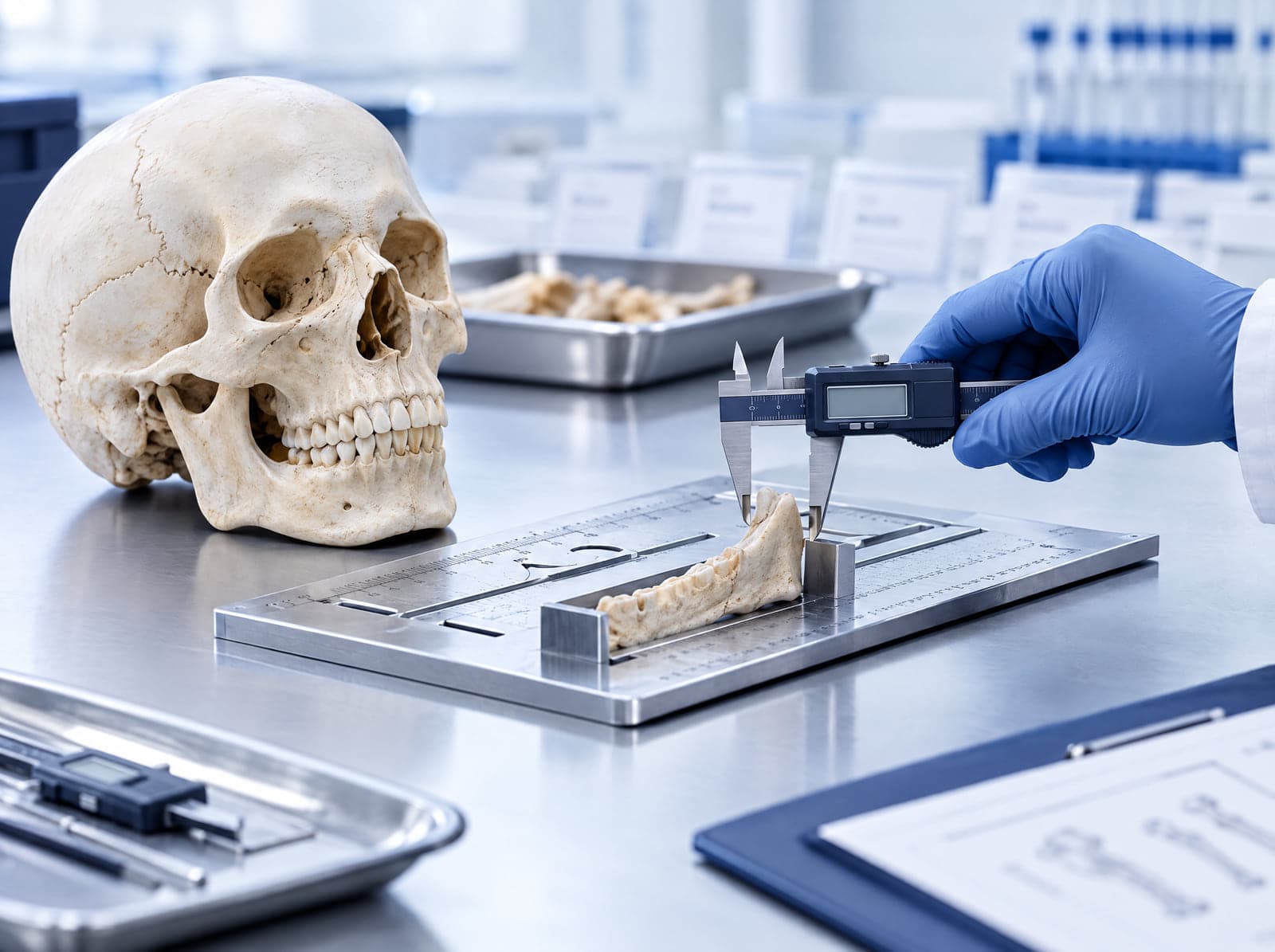
Forensic anthropology
Examining human remains and identifying them
The department examines human remains and bones to estimate sex, age, stature and signs of injury, and works with the DNA laboratory to identify them.
Main tasks
- Examining remains and skeletons
- Estimating sex, age and stature
- Helping identify missing persons
Have a request or a question?
See the applicant services, or write to us through the contact form.